

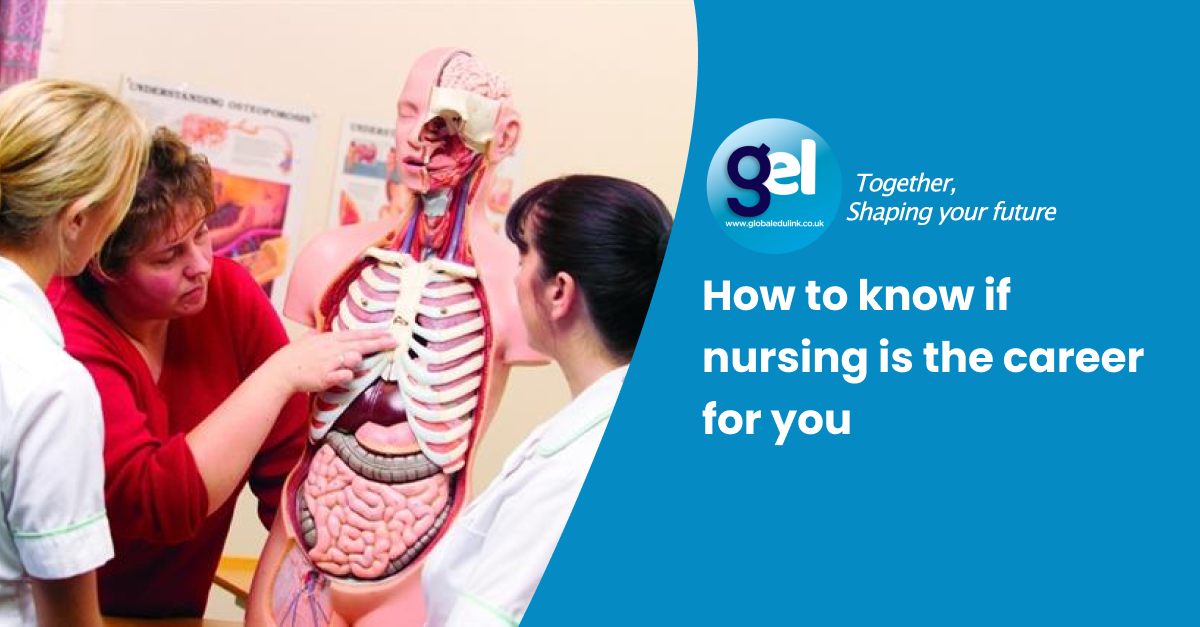
The nursing profession has been in the news a lot of late with many people in the NHS feeling as though their hard work isn’t rewarded or recognised. Don’t feel dissuaded, though; there is a multitude of personal and professional rewards to be gained from a career in nursing. It is a career dedicated to helping others; one that requires a caring and compassionate personality with a scientific, logical and practical mind.
What is nursing?
Nursing can encompass a number of different sectors but essentially it is about working on the front line of the healthcare delivery service to help improve and save lives. The role of a nurse is to help prevent illnesses and injury from occurring, protect patient welfare, facilitate healing and alleviate suffering through assisting with diagnosis and treatment. Nurses play a vital role in the community but also on a one-to-one basis with individuals and families.
What qualifications do you need?
For many looking to become a nurse, they will take a course that has been approved by the Nursing & Midwifery Council – often at a local university. You can apply to full-time nursing courses via UCAS. For part-time courses, it is worth speaking directly with universities to find out their application procedures. All entry requirements will vary depending on the institution, but it is ideal to have at least two to three A-levels or equivalent qualifications at level 3. Alongside this, you will need GCSEs – most importantly, English, maths and science (ideally biology). Entry is competitive so the more relevant your subjects are, the better standing you’ll have.
You can also take an online e-learning Adult Nursing Diploma, adult nursing training or nursing assistant training course. Since these can be undertaken remotely, you don’t have to move away from home. You will also get certification at the end to prove you have taken this course. There are no experience or previous qualifications required, which makes it available to all types of learners. You will need to have a good understanding of numeracy, ICT and English language to take the course.
What career opportunities are there?
Nursing is varied and there are a lot of different avenues and job roles you can pursue once you have qualified, including:
- General Nurse
- Midwife
- School Nurse
- Mental Health Nurse
- Carer
- Midwife
- Health and Social Care Worker
- Accident & Emergency Nurse
- Sexual Health Nurse
- Intensive Care Nurse
- Occupational Health Nursing
- Health Visitor
- Residential or Nursing Home Nurse
Alongside this, there are opportunities to work in clinics, as a receptionist, with voluntary organisations, alongside first aid teams, in the military or with the pharmaceutical industry. There are many other healthcare profession roles alongside this to consider.
What makes someone a good nurse?
Ultimately, being a nurse is a caring and compassionate role so being dedicated to assisting people who cannot always look after themselves is key. It is important to be patient and understanding and have good people skills. Being a positive communicator is beneficial. You also need to have a strong nature; you may need to deal with difficult or challenging situations where you will have to keep a calm, composed and professional manner at all times.
It is also important that you have a good understanding of biology and a scientific mind set. Being able to retain information for long periods of time will be beneficial, as will being good at multi-tasking.
Contact us
Thinking about pursuing a career in nursing? Get in touch today to find out how Global Edulink can help you kick-start your nursing career.
Recent Posts
08 Aug, 2025
What is a hotel reservation system and h...
Remember when hotels used paper ledgers? Bookings were written in, crossed out, and sometimes lost. It was a simpler time, but also a messy one. Now, things are different. You...

20 Jan, 2025
DocMerit: Buy and Sell Your Study Notes�...
DocMerit: Buy and Sell Your Study Notes Are your study notes just sitting idle? Put them to work with DocMerit! Did you know you can sell your study materials online?...

03 Oct, 2024
Hello October - Explore Autumn Courses T...
Hello October - Explore Autumn Courses That Inspire with Global Edulink Hello October, way to welcome autumn. As the vibrant hues of red, orange, and yellow paint the world, it’s...

0 responses on "How to know if nursing is the career for you"